The Rhythm of Remote Iberian Villages
Beyond the touristed seaside coasts lies a limestone terrain where time is measured by cathedral bells, seasonal olive harvests, and slow woodfires.
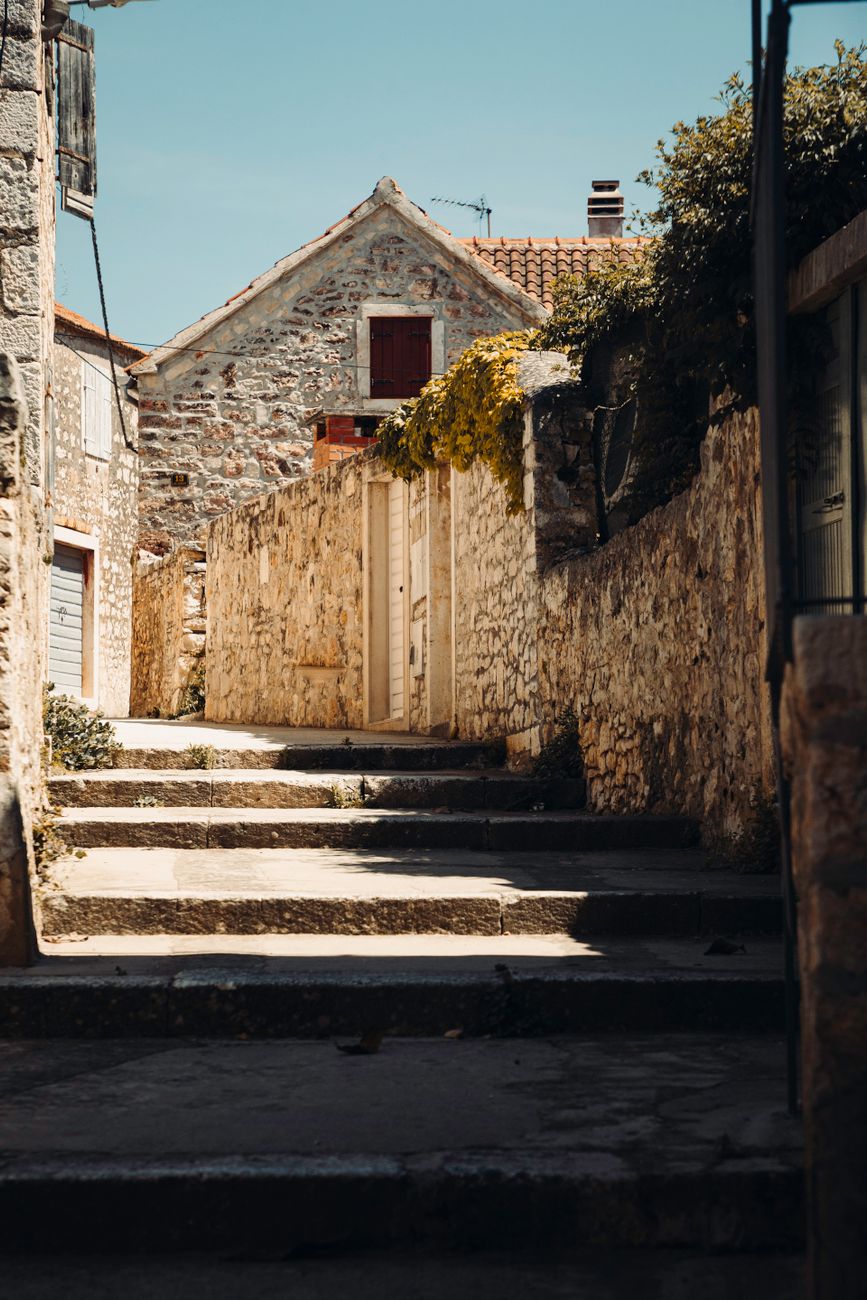
When the midday sun reaches its apex over the plains of Alentejo, an unhurried hush descends upon the whitewashed stone cottages. There is no urgency in these cobblestone corridors. Cats claim the shaded undercrofts of medieval arches, while the scent of wild thyme and cured sheep cheese wafts softly from behind heavy wooden shutters.
I. An Antidote to Urban Velocity
In contemporary travel discourse, velocity is often mistaken for depth. Visitors boast of traversing three countries in seven days, logging monuments as though verifying inventory. But in these fortified border settlements—places such as Marvão and Monsaraz—the land demands that you slow your cadence.
"The landscape does not entertain visitors; it invites them to cease performing and simply inhabit the day."
Here, granite outcrops jut through whitewashed plaster walls, anchoring dwellings directly to the bedrock. Life has been negotiated with this austere soil for two millennia. When you walk these streets at dawn, before farm tractors hum in the distance, you encounter a rare sensory stillness.
II. Communal Bread and Olive Oil
Culinary life in inland Iberia is born of necessity and elevated by patience. The community bake-houses, once central to feudal life, remain communal touchstones. Sourdough loaves baked in clay ovens retain a thick, mahogany crust designed to survive weeks of mountain air. Drizzled with peppery, unfiltered olive oil harvested from century-old trees, simple subsistence becomes an art form.
- Marvão High Fortress: Panoramic viewpoints overlooking the Spanish frontier at sundown.
- Castelo de Vide Jewish Quarter: Intricate botanical gardens nestled along Gothic archways.
- Serra de São Mamede Trails: Quiet walking paths through cork oak forests and wild lavender meadows.
As evening falls and the stone walls begin releasing the heat gathered throughout the afternoon, villagers gather on low granite benches. Conversations flow softly in the dusk. By leaving behind the frantic expectations of traditional tourism, one rediscovers the authentic gift of displacement: the freedom to listen.